A strong chief warden sets the tone for how a work environment does under pressure. Policies and plans matter, however when smoke is building in a stairwell or a power failing knocks senseless , you need a person who can read the space, adapt, and lead. That sort of judgment does not originate from slides alone. It originates from scenario-based training that works the method emergency situations unfold: untidy, time-compressed, and filled with compromises.
This overview describes how to create and supply chief fire warden training that sticks. It makes use of useful experience running emergency exercises throughout workplaces, hospitals, storage facilities, schools, and mixed-use websites, and straightens with Australian units of expertise such as PUAFER005 Operate as part of an emergency control organisation and PUAFER006 Lead an emergency control organisation. The very same concepts equate well to various other jurisdictions, so also if your codes vary, the training style will still offer you.
What the chief warden role really demands
On paper, the chief warden works with the Emergency Control Organisation, launches responses, liaises with emergency situation solutions, and makes sure occupants are left or sheltered in position as needed. In practice, the task extends even more. You handle uncertainty, filter competing records, and maintain people relocating when they prefer to watch. You need to additionally keep the evacuation organized while resolving micro-problems: a locked stair door, a mobility-impaired worker on degree 6, an unaccounted service provider, a worried visitor.
When I analyze chief warden candidates, I try to find five points. They are easy to list, difficult to fake:
- Command existence without hostility, clear concise radio and voice instructions, and the technique to duplicate essential information. Situational awareness across floors and functions, not just in view of the panel or assembly area. Decision-making under unpredictability, choosing a sufficient strategy promptly over a best strategy as well late. Team orchestration, specifically the ability to collaborate flooring wardens and marshals that have different levels of experience. Respect for procedure with the nerve to depart when the strategy does not fit the situation.
The present training structure recognises that breadth. The PUA training suite splits duties in between operating as part of an ECO and leading it. The PUA systems are not box-ticking exercises when they are supplied well. They put down the standard for reliable action.
The training spinal column: PUAFER005 and PUAFER006
In Australia, fire warden training associate 2 core devices:
- PUAFER005 Run as part of an emergency situation control organisation, commonly referred to just as the puafer005 course or the warden course. This covers floor or location warden duties, alarm response, interaction, and guiding occupants. It develops the structure for anyone acting as an emergency situation warden. PUAFER006 Lead an emergency situation control organisation, the puafer006 course, which fits the chief warden training degree. It resolves command, coordination, intermediary, event activity planning, and post-incident tasks. If you lead, you require this.
Some providers pack them, particularly for deputy chief wardens that require both deepness and management exposure. Whether you split or integrate them, treat the units as the spinal column. After that connect realistic scenarios that show your website's risks.
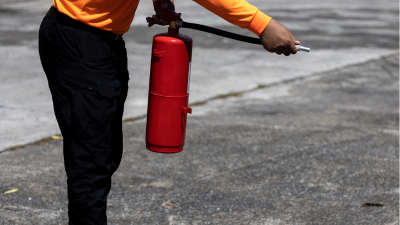
Common concern during fire warden training: what colour helmet does a chief warden wear? In Australian practice, chief warden hat colour is typically white. Floor or location wardens generally put on yellow, first aid green, communications or deputy may use other colours depending on the site. Do not let hat colours control the briefing, but do standardise your fire warden hat colour conventions and see to it the signs and vests match your emergency diagrams. New personnel notification colour coding, and it speeds up recognition when seconds count.
Why scenario-based understanding surpasses lectures
People do what they rehearse. Brief academic instructions have worth, specifically around building-specific systems, however your chief fire warden will just get self-confidence by overcoming the friction of real-time events. Scenario-based training achieves 4 outcomes that talks never will certainly:
- It reveals system dead spots: a duress alarm system that can not be listened to in the dock, a handicapped lift trick no one can locate, an evacuation map out of day by one floor. It constructs muscle memory for radio phone calls and hand signals, consisting of the practice of read-backs and closed-loop communication. It pressures prioritisation. Do you hold floors while a believed fire is verified, or stage a phased evacuation? Do you dedicate wardens to browse a smoke-logged hallway or wait for firemans? There is no universal response, yet judgment improves with practice. It creates shared psychological versions. After you have debriefed 2 or three tough drills, your ECO establishes an usual language: hot staircases, chilly stairs, unfavorable pressure, safeguard in place. That shared vocabulary speeds up coordination.
When we relocated a large medical chief fire warden course care client from yearly lecture-based warden training to quarterly situation drills, false alarm clearance time fell from 18 mins to 9, and responsibility records went from 70 percent to 95 percent total within the initial 6 mins. Absolutely nothing else altered, only the training.
Build your workouts around reliable threats
Do not practice Hollywood fires. Rehearse the emergency situations probably to impact your site, after that include a handful of low-probability, high-consequence events. A qualified chief fire warden must be comfortable with at least 4 situation families: fire and smoke, systems failure, clinical and behavior incidents that intersect emptying, and external occasions that drive shelter-in-place.
For a distribution storehouse, a realistic series could start with a small pallet fire from a lithium battery pack, roll into a lawn sprinkler head activation, and after that cascade right into a gas detection alert in a nearby area. The objective is not to capture people out. It is to see the chief warden plan sources while handling comms, access control, and assembly area safety and security with heavy car activities nearby.
For a high-rise office, you may run a Degree 16 kitchen fire with smoke migration right into the stairwell, a defective PA on 3 floorings, and a lift fault that strands two people mid-shaft. The chief warden must pick the primary and alternative staircases, assign wardens to take care of door control, and coordinate a firefighter lift handover on arrival.
For an institution, attempt a scientific research lab ignition with shelter-in-place for nearby classrooms due to wind-driven smoke throughout the only egress. Check the chief warden's capability to hold the emptying at an inner sanctuary while presenting transportation for an off-site moving if smoke conditions worsen.

If your website includes at risk passengers, such as aged treatment citizens or a rehabilitation ward, integrate movement and cognitive difficulties right into every circumstance. A strategy that works just for able-bodied owners is not a plan.
Make the knowing loophole tight: short, act, debrief
A great session runs on a basic cycle. Brief the situation and the objectives, run the occasion to natural resolution, then debrief hard however fair. The debrief is where leaders grow. Focus on actions, not personalities.
In one health center drill, the chief warden skipped to a complete evacuation when a smoke door stopped working to shut, and people were wheeled into a hallway where smoke later collected. The debrief exposed a missed choice: safeguarding in position beyond a secondary barrier, with 2 wardens charged to door control and one to smoke check. The next drill, we ran the very same failure. The chief warden captured it, called the alternating, and the group implemented faultlessly. Very same people, far better results, due to the fact that the debrief sharpened the mental model.
Keep debriefs structured. Ask what took place, what worked out, what was hard, and what should change. Capture choices and their timing. If the radio technique broke down, play a 30-second clip. If accountabilities lagged, reveal the timestamps. Grownups regard evidence.
The fundamentals every chief warden have to master
Chief fire warden duties differ by site, yet the core stays stable.
- Incident size-up: within the very first 60 to 120 seconds, the chief warden creates a picture from panel signs, wardens' reports, CCTV if allowed, and sensory cues like scent or visible smoke. They express the provisionary plan: hold, partial evacuate, full evacuate, or shelter-in-place. Communication: clear web self-control on the warden channel, brief transmissions, callsign use, and repeating of crucial guidelines. If the is down, a runner strategy should exist, and wardens need to understand where to grab the baton. Resource allowance: appoint wardens to functions, not just floors. Entry control. Stairwell marshals. Persons with impairments team. Liability scribe. Deputy principal to assembly. Each task has a job description and a check-back. Liaison: satisfy firefighters at the fire indication panel or concurred access point. Give a succinct circumstance record, consisting of structure format problems, isolation points, unaccounted individuals, and any type of unsafe materials. After handover, the chief warden supports, does not compete. Decision evaluation: the chief warden keeps the loop running. Every 2 to 3 mins in a vibrant occasion, they reassess, confirm, or alter the strategy. Technique receives those choice points, not in the very first move.
In PUAFER006 terms, these abilities underpin "lead an emergency control organisation." In PUAFER005 terms, wardens executing these jobs require to "run as part of an emergency control organisation," that includes complying with directions, safely browsing locations, handling evacuees, and reporting status.
Training structure that appreciates adult learners
Working professionals will certainly give you their attention if you value their time and knowledge. For chief warden training, I use a three-part structure that mixes understanding, method, and reflection.
- Prework: a 20 to 30 minute microlearning component that revisits your website's emergency situation strategy, evacuation diagrams, alarm tones, and warden recognition approaches. If you run a fire warden course for novices, include a short primer on your fire warden requirements in the workplace and lawful context. Keep the reading tight, prevent jargon, and include two or 3 five-question quizzes. Core session: 2 to 4 hours onsite. Start with a quick evaluation of lessons found out given that the last exercise, then move right into situations. Alternating between regulated injects and free-flow. Use props where proper: a smoke maker in a risk-free, ventilated area, an obstructed stairway sign, a taped-off corridor. After-action: a created summary within 48 hours. Keep in mind details referrals, obligation owners, and due dates. If a change touches constructing systems, entail the centers supervisor early. Update the emergency strategy just after examining the new treatment as soon as in a minimal drill.
This cadence works for both the general warden training at the PUAFER005 degree and the chief warden course aligned to PUAFER006. You can scale it up for multi-tenant sites by running floor-by-floor exercises, then a mixed drill every 6 to twelve months.
Meeting training needs without going through the motions
Compliance sets the minimum. Quality training goes beyond it without wasting initiative. If your fire warden requirements in the workplace require annual emergency warden training, think about splitting the commitment into 2 much shorter sessions and one desk-based workout. Individuals maintain more when they touch the ability multiple times a year.
Documentation matters. Maintain participation, evaluation outcomes, circumstance scripts, debrief notes, and rehabilitative activity logs. Throughout outside audits, this record reveals not simply that you trained, but that you improved. If you run an emergency warden course for professionals or informal team, tag their records clearly and track expiration days. A simple spread sheet is great for little websites. Bigger portfolios should use a training monitoring system that flags refreshers.
For mixed atmospheres with retail, workplace, and plant areas, harmonise procedures but prevent requiring the same drills on everybody. A boutique store requires crowd control and failing drills. A emergency warden course plant room needs hot work fire scenarios and gas isolation. Your chief emergency warden need to be well-versed in both.
The equipment is straightforward, the discipline is not
Uniforms and identifiers assist. Yes, the chief warden hat is typically white, and wardens wear yellow. Some sites use vests rather than safety helmets, which is fine if they are flame-retardant and plainly significant. The purpose is quick recognition. In smoky corridors, presence bands and reflective strips aid. Radios must be basic to run with handwear covers on. Spare batteries should stay in a well-known location.
Where training flounder is not the set, it is the behaviors. Radios clipped to belts so the mic can not be reached under a coat. Responsibility sheets with tiny typefaces nobody can check out in bad light. Wardens that do not bring their master key or the lift fire solution key. Take care of these with drills and audits, not with more gear.
Edge situations and judgment calls
Real emergencies withstand neat boundaries. Couple of instances that are worthy of rehearsal:
- Defend in place versus emptying: in health and wellness or apprehension facilities, relocating individuals can be a lot more dangerous than staying behind a barrier. Principal fire wardens require the confidence to hold when problems necessitate it, and the courage to move if smoke conditions deteriorate. Two events at the same time: a medical emergency situation during an emptying is common. Appoint a warden to develop a micro-exclusion area and keep website traffic streaming. Coordinate with initial aiders. The rest of the building still requires managing. Locked or upset doors: high security areas slow-moving discharges. Prearrange that can override gain access to controls, and practice the handover. If the person with accessibility gets on leave, your plan must not stall. Power and failures: test your no-PA, low-light procedures. That consists of joggers, portable loudhailers, and the technique to keep messages short and consistent. Visitors and professionals: treat them as a different threat pool. Sign-in procedures must create a functional checklist throughout an evacuation, not a digital report you can just publish from a dead workstation. A clipboard at function with a last-one-out grab rule is still one of the most trustworthy methods.
Good chief fire warden training attacks these edge instances intentionally so they are no longer edge cases in practice.
Designing credible assessment for PUAFER006
Assessment needs to seem like a determined cardiovascular test, not a catch. For a chief fire warden course mapped to PUAFER006 lead an emergency control organisation, I review 3 domain names:

- Planning and short: can the chief warden clarify the plan in simple language, appoint duties, check understanding, and set contingencies? Execution: do they manage the net, upgrade the plan as new info shows up, take care of the setting up location, and turn over cleanly to participating in services? Review and renovation: do they capture activities, appoint proprietors, and follow up? Do they find weak signals, like wardens duplicating the exact same vague direction, and repair them?
Score with rubrics anchored to visible habits. If your organisation has to accredit capability, utilize two assessors a minimum of annually. When somebody fails, offer targeted removal and retest with a focused scenario instead of compeling them through a full program again.
Bringing brand-new wardens up to speed without reducing the team
Turnover is a reality of life. Bring brand-new wardens into your ECO rapidly with a concentrated on-ramp:
- A brief emergency warden course straightened to PUAFER005. Use your site's layouts, not generic ones. Include a 15 minute walk-through of the major egress routes, stairs, and haven points. Shadowing throughout the following drill with a clear duty: runner, scribe, or stairwell marshal. People find out much faster when they possess a task, also a basic one. A friend system for the very first real event. Appoint an experienced warden to support the novice's location. After the event, accumulate their observations. New eyes area stale assumptions.
This on-ramp keeps your main drills crisp while furnishing new wardens to add early.
Training regularity, period, and fatigue
How usually should you run chief fire warden training? For many websites, twice a year is the pleasant area for full-scale exercises, with shorter desk-based or radio-only drills in between. Medical care, major public locations, and complex commercial sites gain from quarterly drills with different injects.
Keep useful sessions in between 90 mins and four hours. Longer days often tend to droop unless you damage them with resets. Morning sessions function best prior to the day's top priorities intrude. Avoid peak trading or production windows where feasible. If your website runs shifts, turn drills so night staff obtain equal exposure. Night problems transform every little thing: fewer wardens, even more secured locations, and different upkeep schedules.
What success looks like
You will know your chief fire warden training is functioning when you see these indicators:
- The initially radio transmission after an alarm system is crisp, identifies the customer, specifies the location, and requests confirmation or job. No chatter, no guesswork. Evacuation reports get here in a stable rhythm, with clear floor standings, not obscure "green light" claims. The assembly area feels structured. People team by floor or occupant, marshals hold them, and the chief warden gets updates without being mobbed. After a drill, wardens suggest improvements before you ask. That possession indicates the ECO is maturing. External responders discuss the top quality of your handover. A firefighter captain told among our chief wardens, "You offered me what I required in 30 seconds." That is the benchmark.
A functional layout you can adapt
To make this concrete, below is a lean layout for a two-hour chief fire warden training block customized to PUAFER006 purposes. Adapt it to your site and constraints.
- Quick refresh, 10 minutes: alarm system tones, ECO roles, key threats. Validate hat colours and vest allocation so brand-new staff recognise the chief warden hat and warden identifiers. Scenario 1, 25 mins: smoke reported on a mid-rise floor, PA partial failing. Goals: web technique, stair project, runner use, liability collection. Debrief 1, 10 mins: timing, clearness, and decision check-points. Scenario 2, 25 mins: little fire with wounded person and blocked stair due to upkeep. Purposes: detour option, emergency treatment sychronisation, entry control. Debrief 2, 10 mins: focus on resource allowance and handover notes. Scenario 3, 20 mins: shelter-in-place because of outside danger, test communications and internal haven management. Goals: tone control, message consistency, occupant management. Final debrief, 20 minutes: top three enhancements, owners, dates.
If you have to maintain the session to 60 mins, run one circumstance with a sharp debrief. It is better to run one high quality drill than three rushed ones.
Bringing it back to the devices and the workplace
The anchor competencies stay clear. PUAFER005 operate as part of an emergency control organisation furnishes wardens to implement. PUAFER006 lead an emergency control organisation gears up the chief to manage. A fire warden training program that mixes both, provided through practical circumstances, constructs a proficient ECO that will perform when it matters.
Remember the small points. Maintain extra radios charged. Standardise language. Ensure the discharge representations match the current flooring layout. Verify which colour helmet the chief warden wears and keep spares in the control factor. Exercise the handover to exterior responders till it seems like muscle mass memory. And maintain your training human, based, and iterative.
I as soon as enjoyed a new chief warden, a silent facilities manager, take her group with a persistent alarm from a transformer area. The PA failed on 2 floors. A lift trapped 2 team. Smoke edged into a stairwell. She reassigned a deputy to stairs, sent out a jogger, kept the radio clear, and liaised with firemens at arrival. 10 mins later on, the structure was stable, the lifts isolated, and the accountability sheets were full. She attributed the last 3 drills. That is scenario-based learning doing its job.
When people trust their chief fire warden, they relocate faster, with less noise and less mistakes. That depend on is earned in practice, not promised on paper. Train the method you intend to lead.